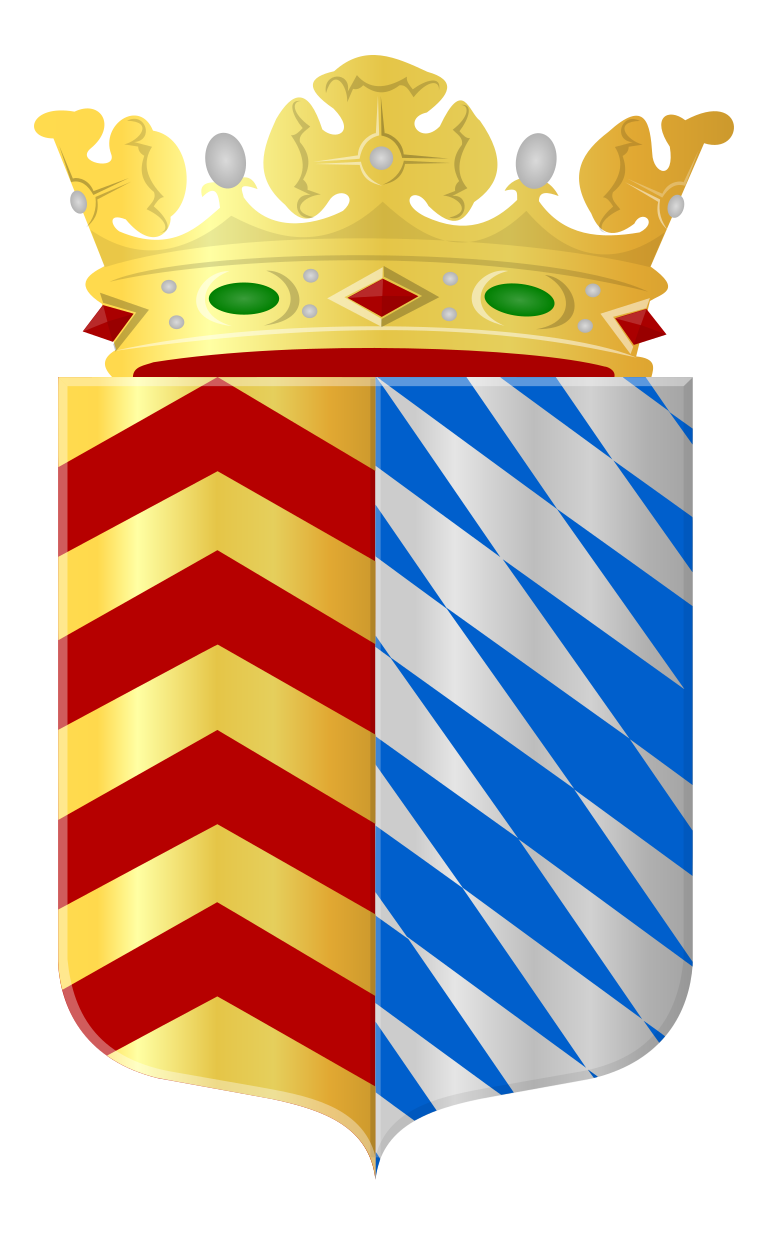
 Oud-Beijerland





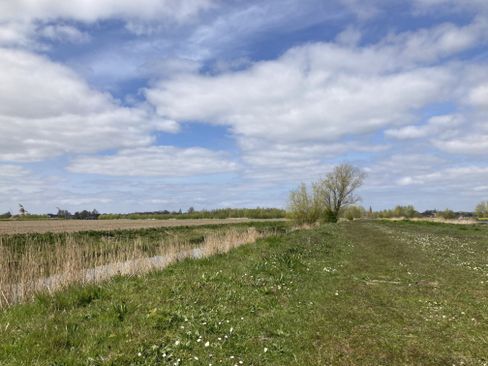
Puttershoek, Mijnsheerenland, 's-Gravendeel(Puttershoek, Mijnsheerenland, 's-Gravendeel)
Cycle route of 58.1 km.
View the route on the map
Kaartgegevens © OpenStreetMap-bijdragers. De routegeometrie komt uit het lokaal opgeslagen GPX-bestand van de bron.
Today you start your route in Puttershoek, on the Old Meuse. After the flood of 1953, almost all houses on the directly located on the Oude Maas Weverseinde were demolished to bring that dike to Delta height.Only the 16th century harbour, the Schoutendeinde and the piece of old village centre around the Arent van Lierstraat have been preserved.Here are among others the old town hall of Puttershoek, on which the weapon (three black French lilies on a shield of silver) can still be seen, and the old post office "Jumping Peert" (with stairs) and facade stone), which reminds of the time Puttershoek was on the mail road from Rotterdam to Antwerp.Also worth seeing is corn mill The Lily on the Molendijk and the old doctor's house on Schoutenend 28.
From the village you first follow a long way from the Old Meuse once the mouth of the Meuse.In the Middle Ages the mouth of the Meuse was formed by two parallel currents (the present Ancient Meuse and Inner Empire Meuse) that are in the present Hoeksche Waard and towards the Maasmonding flown.After the Sint-Elisabeth flood, most of the Maaswater was led between Dordrecht and Werkendam in a southwest direction, by the Biesbosch, away from the original mouth arms.Afterwards the southern Maasloop is completely dammed and dimmed (the present Inner Dike Maas) and the northern branch has received the name Oude Maas.However, part of the Meusewater has been able to reach the Old Meuse for a long time, via the Lower Merwede.
.After the digging of the Bergsche Maas and the closing of the Dammed Meuse, the Meuse Water could no longer reach the Merwede and the Old Meuse is completely cut off from its source river.Since then the river has been fed only by the Rhine, of which it is an important estuary. After carrying out the Delta Works the situation has changed again.The Bergsche Maas ends in the Hollandsch Diep, which eventually turns into the Haringvliet.After this important estuary of the Rhine and Maas was separated by the Haringvlietdam from the sea, the water had to find an alternative route.The result was that the Spui (a branch of the Old Meuse towards the Haringvliet) flowed in reverse, thus feeding the lower course of the Old Meuse (partly) again by the Meuse.
.In Mijnsheerenland you pass a nice place: the Hof van Moerkerken, where nowadays there is an 18th century country house. A monumental gate in an early version of the Louis XVI style from 1776 marks the entrance. The building is privately owned in 2007 and is supervised by Monumentenzorg.However, the history of the Hof van Moerkerken goes much further: until 1440, when the Flemish knight Louis van Praet settled in the Netherlands.In 1424 he came into possession of various grounds along the ordainer of the Meuse.Here he left the area from the Munnikenland to the Westmaas dams, docked the Westdijk and completed through the Blaakse dike to Puttershoek and from there along the Boezemvliet to in Maasdam the new polder. In this polder a village was built that first 's-Heerenland, later Mijnsheerenland van Moerkerken and finally Mijnsheerenland would be called.
The Court of Moerkerken itself was probably built around 1445. With the death of the widow of Vranck van Praet in 1514, the court was changed.Around 1600 the court was described as a "tamelick" mansion. In 1663 the house burned down and in 1664 the building was started.Around 1796 followed a thorough renovation that gave the manor its current appearance.
The house has a special history:prior to World War II, the Court of Moerkerken temporarily served as refugee shelter and during World War II, a recovery facility for tuberculosis patients was located in the court.But completely special is Frederik van Eeden's stay in court: his novel From the cool lakes of death was written here and later partly filmed at this location.
.Via Maasdam, Strijen and ‘s-Gravendeel you cycle a nice route back to your starting point.
Bicycle Node 32 Maasdam Navigate to Starting Point
Bicycle Node 32 Maasdam Navigate to Endpoint
Would you like to view the current source page, route map or additional information?
View the original page at Visit Hoeksche Waard ↗